A house mouse is about five inches from nose to tail. This is an adaptation to avoid predation.
Types Of Mice In The Uk - Mouse Identification Facts Pest Defence
Field mice are excellent jumpers and their hind legs are stronger than those of house mice.

Field mouse vs house mouse uk. The colour of house mice is what sets them most apart from field mice. Wood mice will gather food stores of berries and seeds in the autumn, which they keep in underground burrows or sometimes in old birds' nests. Their ears and eyes are big for their heads.
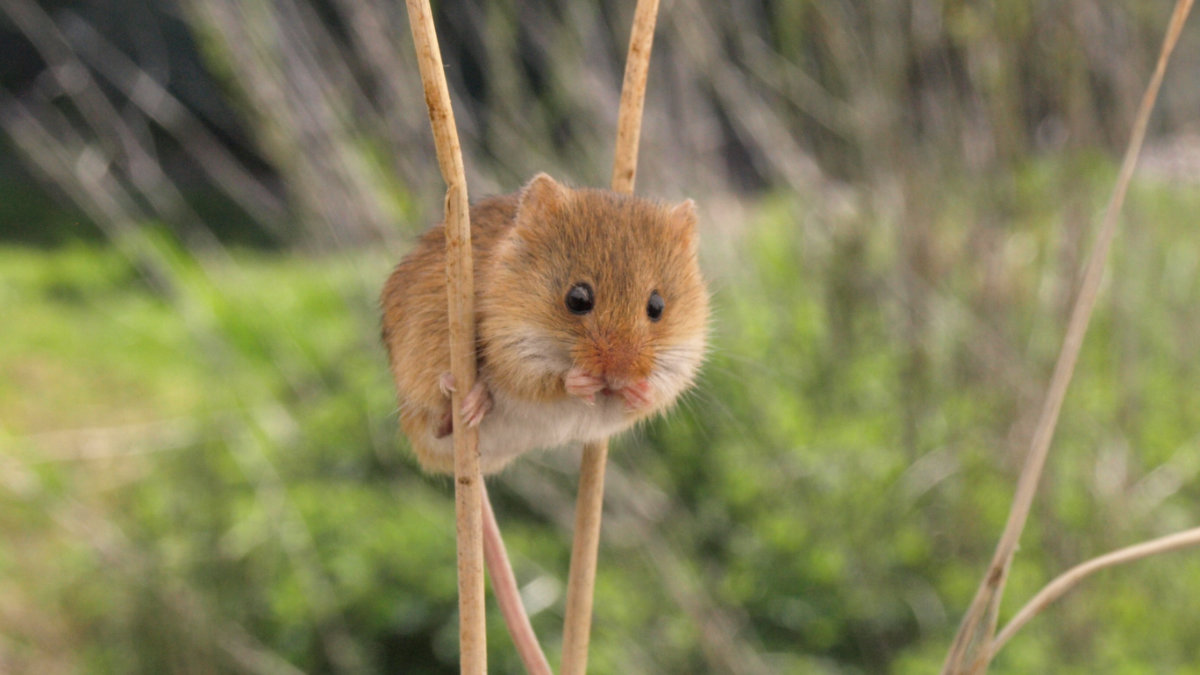
The harvest mouse is also known as: Let me add yellow necked mouse to the suggestions. Nocturnal, so they will be foraging overnight
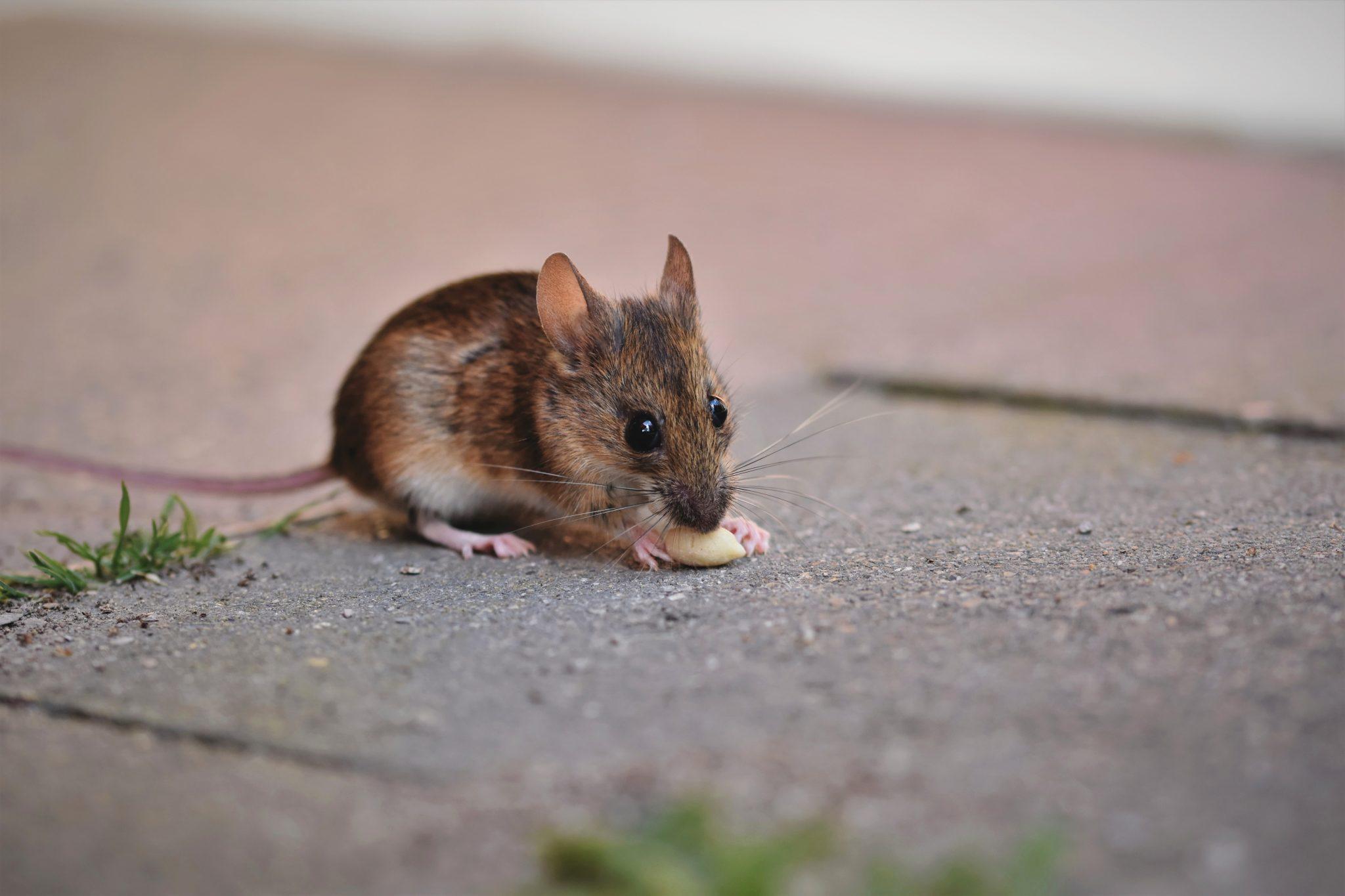
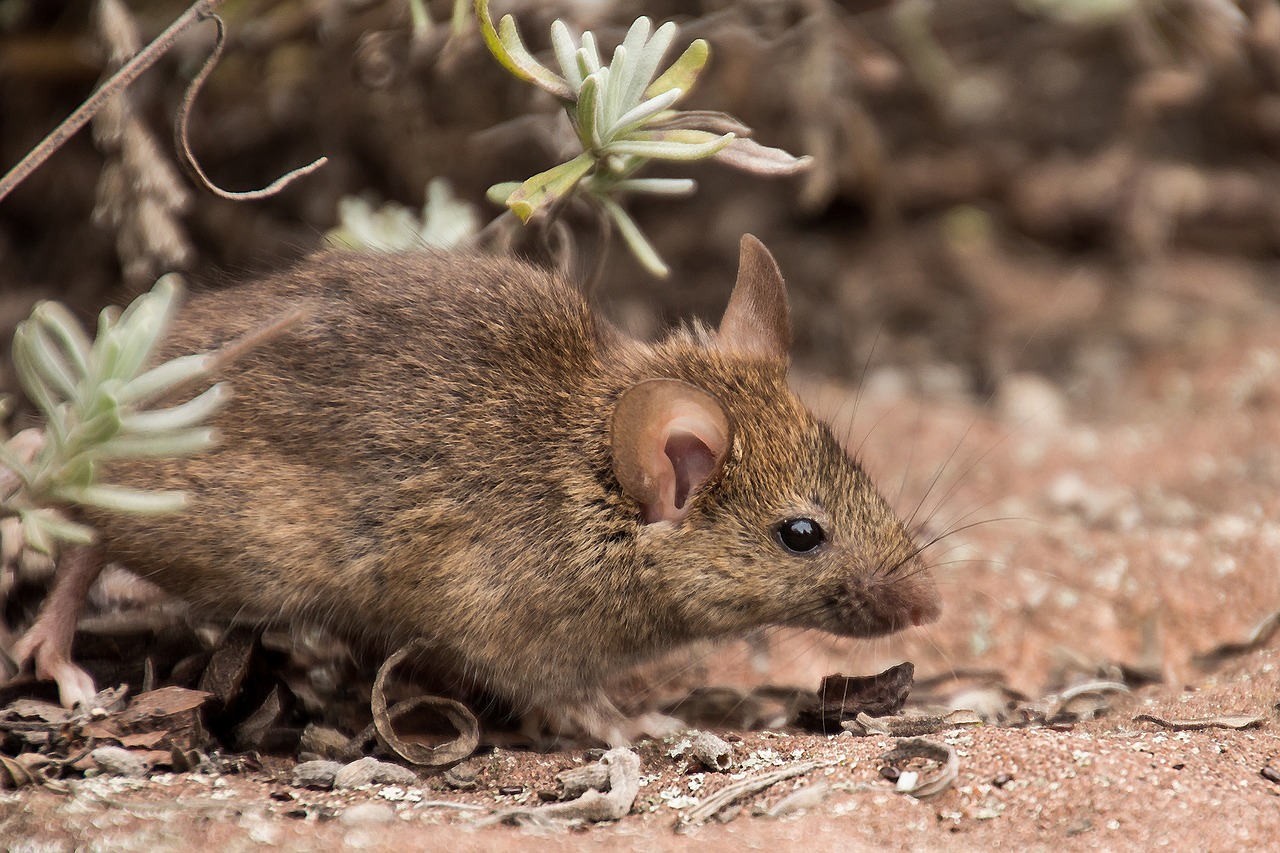
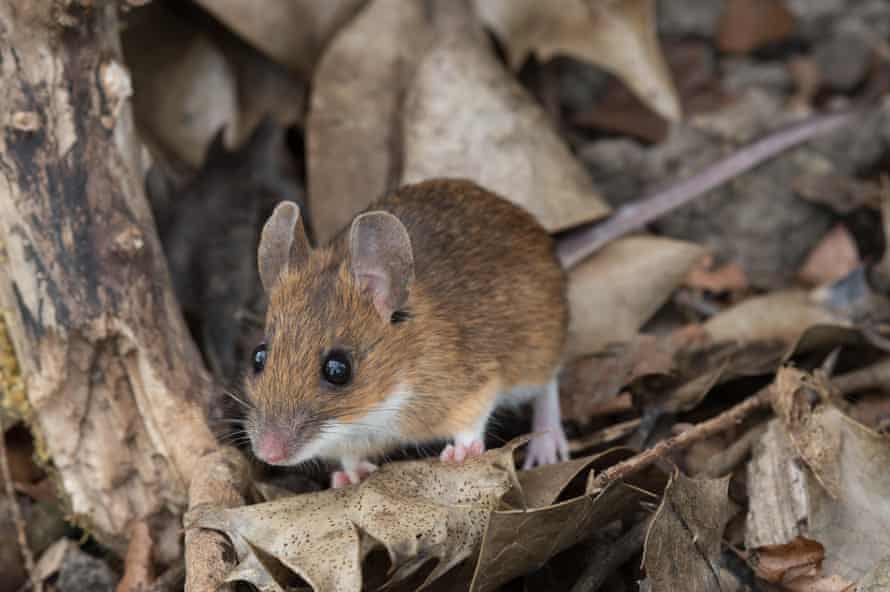
A field mouse has sandy brown fur with a lighter underside. Field mice can also be a variety of colors, such as white, brown, and black. Juveniles are greyer overall, still with larger ears, hind feet and tails than house mice.
The field mouse, as its name suggests, takes up its residence in fields across the uk but can find their way into our homes and properties. They have larger feet and can hop around easily. Field mouse on average weighs between 13 to 27g.
The field mouse (apodemus sylvaticus) is slightly larger than a house mouse (mus domesticus) and has a longer tail. About a year in the wild. The house mouse is also known as:
As it mainly lives outdoors, it has bigger eyes and ears than a house mouse. What does a house mouse look like. The deer mice (field mice) have white bellies.
The only actual difference between rats and mice is the size. The weight of a field mouse varies between 13 and 27 g. From seven to nine centimetres long bodies, plus the same length tail.
These mice have smaller ears compared to that of the house mouse. There are some obvious physical differences between a field mouse and a house mouse: Field mice also have long tails, making them quite agile climbers.
This means the terms are somewhat interchangeable. Field mice are closely related to house mice, in fact only being recognized as a separate species in 1894. The top picture looks just like a field mouse but in the bottom picture it looks huge to me unless the person holding the trap has very small fingers.
Mouse facts uk mice species. However, all members of the genus mus are considered to be mice. So let’s take a look at some of the differences of a hose mice to the field mouse covered above.
How to identify a field mouse. Field mice get into your house because they are very skilled when it comes to gnawing, jumping, climbing, and swimming. May be a slightly darker brown with a white belly.
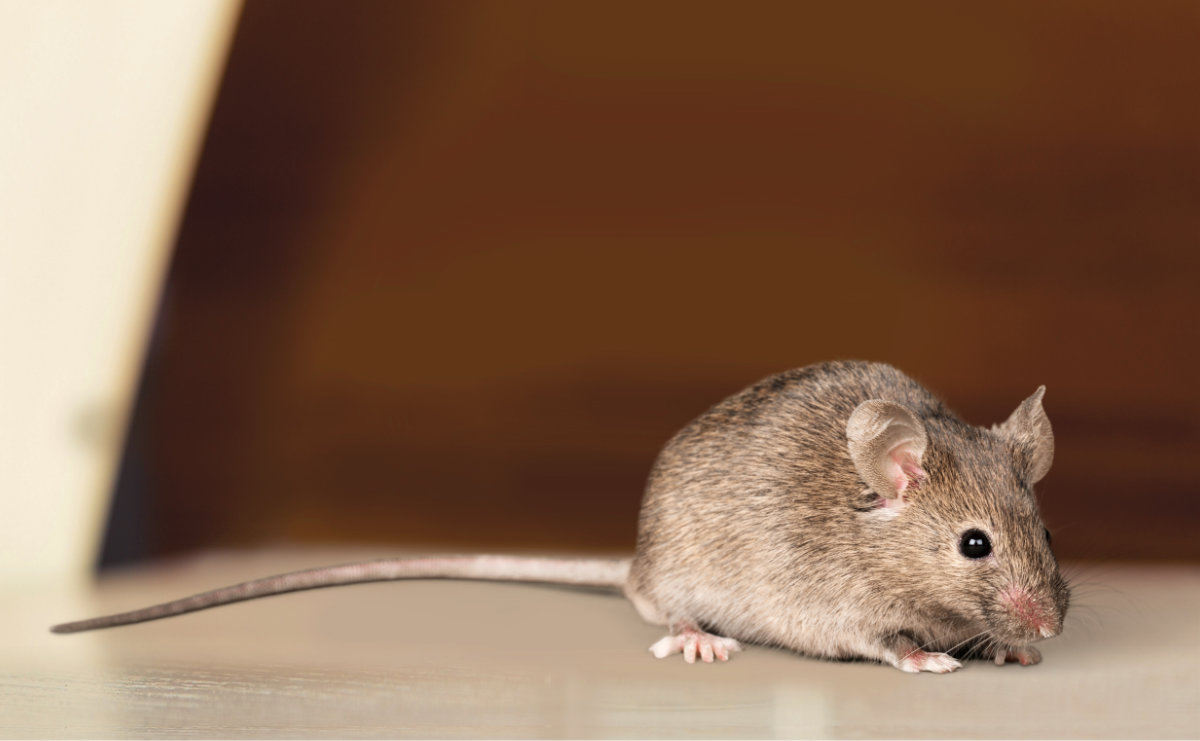
Field mouse doesn’t have a solid sense of smell, unlike the house mouse. Look for smaller feet and larger eyes than field mice; The house mouse is most likely to be a domestic pest, weighs about 30 grams (1 ounce) and is about 90 mm long (3 1/2 inches) excluding its tail.
The field/wood mouse is also known as: This is a way of increasing body temperature for warmth. A house mouse’s tail is basically hairless, while a field mouse’s tail is also dark on top and light underneath.
House mice are almost the same size as field mice. It is mostly nocturnal and an agile climber. Members of the superfamily muroidea that exceed a certain size are referred to as rats, while smaller species are referred to as mice.
When it comes to weight the males are heavier than females. These mice do reside in fields but also find their way into rural homes, plains, and forests. House mice have solid coats of gray or light brown fur all over their bodies.
House mouse behavior and food. They feed themselves on nuts, insects, fruits, seeds, berries, fungi, and nuts. The entire bodies of house mice are grey or light brown.
Its eyes and ears are smaller than those of a house mouse. The house mouse and the field mouse. It is probably most common in woodland, rough grassland and gardens.
Field mice (deer mice) have tan or brown fur on the top of their bodies, with white bellies, legs, and feet. Both mice species may cause structural damage or infections to any of your family members. This means the rodents can get into hidden nooks of your home.
Mice (mus musculus) there are two types of mice in britain which can become pests: The field mouse went by the name of a wood mouse, and it is very common in the united kingdom. It is a sandy brown colour, with a white underside, as opposed to the house mouse, which comes in a variety of colours and coat types.
Apodemus flavicollis mouse identification in the uk.

Common Mouse Species Rentokil
Types Of Mice In The Uk - Mouse Identification Facts Pest Defence

Differences Between House Mouse And Field Mouse Fantastic Services

House Mouse Or Field Mouse Types Of Mice - Woodland Trust
Field Mice Vs House Mice - Pet Mice Blogcouk
Types Of Mice In The Uk - Mouse Identification Facts Pest Defence
Types Of Mice In The Uk - How To Tell Different Varieties Of Mice


Wood Mouse - Wikipedia
Woodmouse House Mouse Or Field Mouse - Identify This - Wildlife - The Rspb Community


Filefield Mouse At Bay - Geographorguk - 1295936jpg - Wikimedia Commons
Country Diary The Telltale Signs Of A Wood Mouse Mammals The Guardian

The 6 Types Of Mice In The Uk All You Need To Know About Uk Mice
Types Of Mice In The Uk - Mouse Identification Facts Pest Defence

The 6 Types Of Mice In The Uk All You Need To Know About Uk Mice
Woodland Trust On Twitter Can You Tell A House Mouse From A Field Mouse Discover The Differences Between The Mice Voles And Shrews Of The Uk With Our Quick Guide Httpstcoehwbg4b0zl Httpstcoybuwgas8rd


5 Differences Field Mice Vs House Mice

House Mouse And Wood Mouse Wwwwildlifekatecouk
Pest Advice For Controlling House Mice

Common Mouse Species Rentokil